Ghost Notes: Chasing the Phantoms of Olfaction
(...That Aren't Oud)
11/27/20253 min read

Let’s address the elephant in the room—or rather, the infected Aquilaria tree in the room. Oud.
We love it. We respect it. But let’s be honest: in 2025, Oud is everywhere. It has gone from a "scent of kings" to a note you can find in luxury car fresheners and drugstore body washes. The ubiquity of Oud has, ironically, stripped it of its mystery. Today, I am not interested in the notes that scream for attention. I am interested in the whispers.
True luxury in niche perfumery today isn't about volume; it’s about scarcity. It is about the materials that are so difficult to source, extract, or cultivate that big designer houses literally cannot use them because the supply chain doesn't exist.
Here are the three rarest notes in the industry that define the true edge of olfactory art.
1. Hyraceum (The Ethical Ghost)
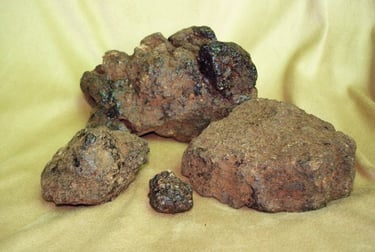
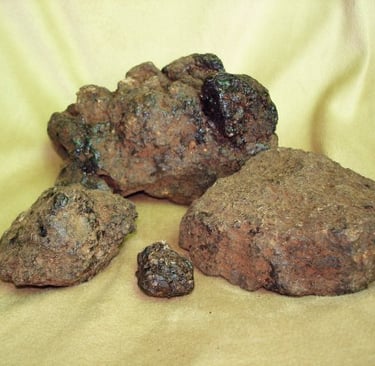
If you crave the feral, animatic skank of vintage deer musk or civet but have a conscience, you must know Hyraceum. Also known as "Africa Stone," this is perhaps the strangest material in the perfumer's organ.
It is the fossilized, petrified excrement of the Cape Hyrax (a small, badger-like mammal in South Africa). Before you recoil—listen. This material has aged for hundreds, sometimes thousands of years in the sun, turning into a stone-like resin. Because it is harvested from ancient middens without touching the animal, it is cruelty-free.
The Scent Profile: It is deeply complex. It smells of fermentation, cured tobacco, leather, and castoreum, but with a strange, dark floral undertone. It creates a "skin-but-better" warmth that synthetic white musks can only dream of replicating.
2. Tasmanian Boronia (The Floral Gold)
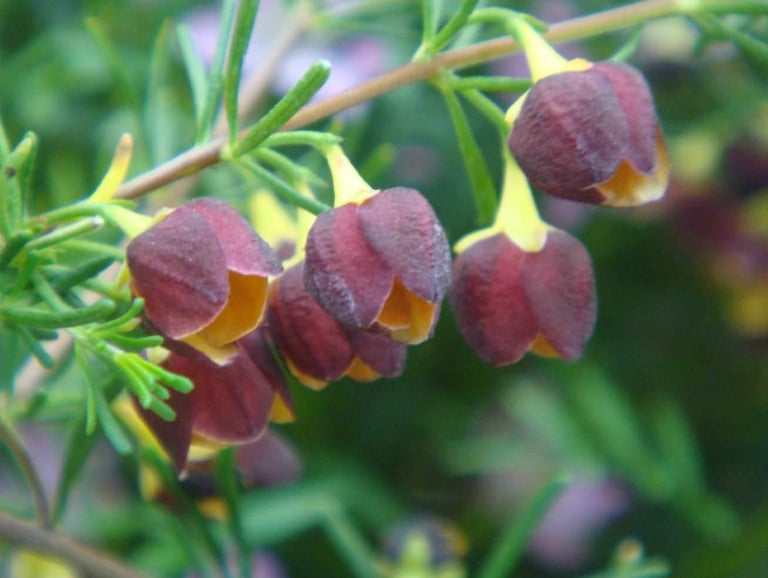
While Rose and Jasmine are the queens of perfumery, Boronia is the elusive empress living in exile. Native to Western Australia and Tasmania, Boronia megastigma is notoriously difficult to extract. It has an incredibly low yield, making the absolute astronomically expensive (often rivaling or exceeding the price of Tuberose).
Most commercial brands simply use an Ionone-based synthetic accord to mimic it. But the real absolute? It is a revelation.
The Scent Profile: It does not smell like a flower. It smells like a hallucination of a flower. It possesses distinct notes of fresh hay, yellow freesia, woody tea, and a massive hit of raspberries and apricots. It is green, fruity, and floral all at once—a complete perfume in a single raw material.
3. Orris Butter with 15% Irones (The Blue Hour)
You might say, "Iris isn't rare." You are right. But high-grade Orris Butter is a lesson in patience that modern commerce hates.
To get Orris butter, the rhizomes of the Iris Pallida must be left in the ground for three years. Then, they are dug up. But you can't use them yet. They must be dried and aged for another three years. Only then do they develop the "Irones"—the molecules that give it that powdery, violet scent.
Most "Iris" perfumes use synthetics or low-grade dust. The rarest grade, containing a high percentage of Irones, costs more than gold bullion.
The Scent Profile: It is cold yet creamy. It smells like bread dough, carrots, violet lipstick, and human skin. It is the smell of melancholy. It is the scent of the "Blue Hour" just before the sun sets.
The Verdict
The next time you are at a niche counter and the sales assistant tries to sell you another "Royal Oud" flanker, ask them if they have anything with Hyraceum or Real Boronia.
Watch their expression change. That is the moment you know you've stepped out of the mainstream and into the true niche.
What is the strangest or rarest note you have ever smelled in a fragrance? Tell me in the comments below.


Join the Conversation
Our comments section lets you share your thoughts and connect with others on every blog post.

